Contemporary Contrast
Mastering the warmth-to-edge ratio
The Warmth-to-Edge Ratio
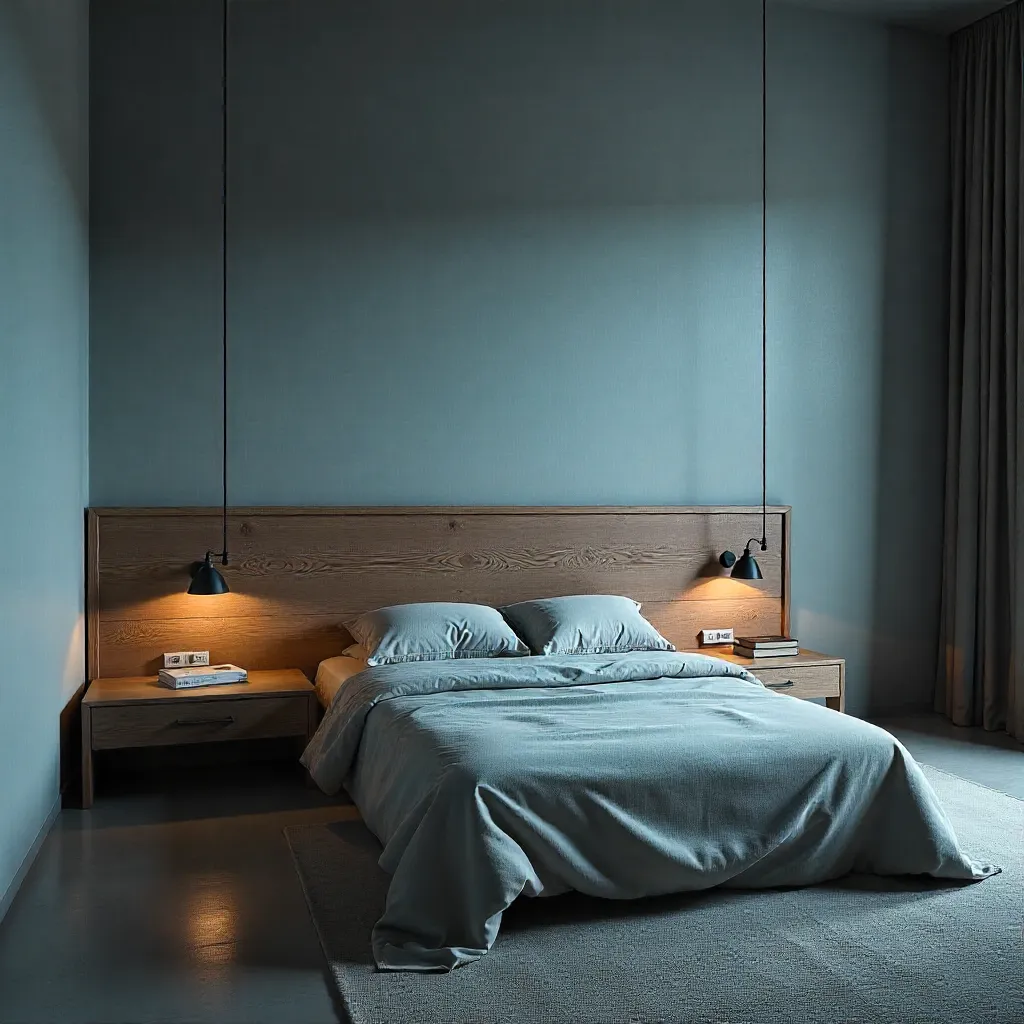
The most compelling contemporary interiors balance the organic warmth of reclaimed wood with the crisp precision of modern materials. This guide explores how to pair century-old timber beams with cold steel, matte glass, and poured concrete to create spaces that feel both timeless and cutting-edge.
Wood & Cold Steel
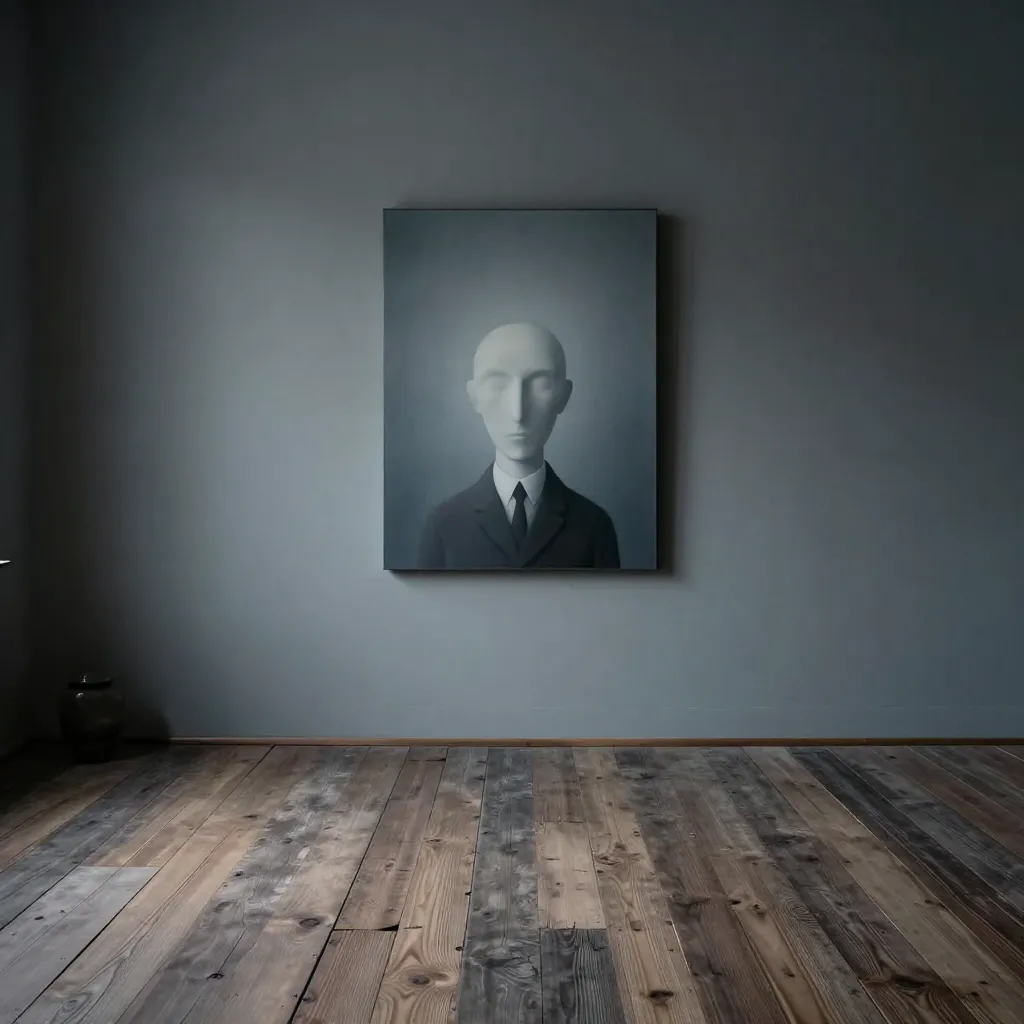
The contrast between warm, textured wood and cool, polished steel creates visual tension that energizes a space. Use steel as structural elements, hardware, or accent pieces to highlight the organic nature of reclaimed timber.
Ratio: 70% Wood / 30% Steel | Effect: Industrial elegance | Style: Modern rustic
Application Principles
When combining wood and steel, consider the visual weight of each material. Large wooden beams pair beautifully with slender steel supports, while steel frames can showcase wood panels as featured elements.
- Use steel for structural support and hardware
- Let wood dominate surface areas
- Create contrast through texture, not just color
- Balance warm and cool tones throughout
Wood & Matte Glass
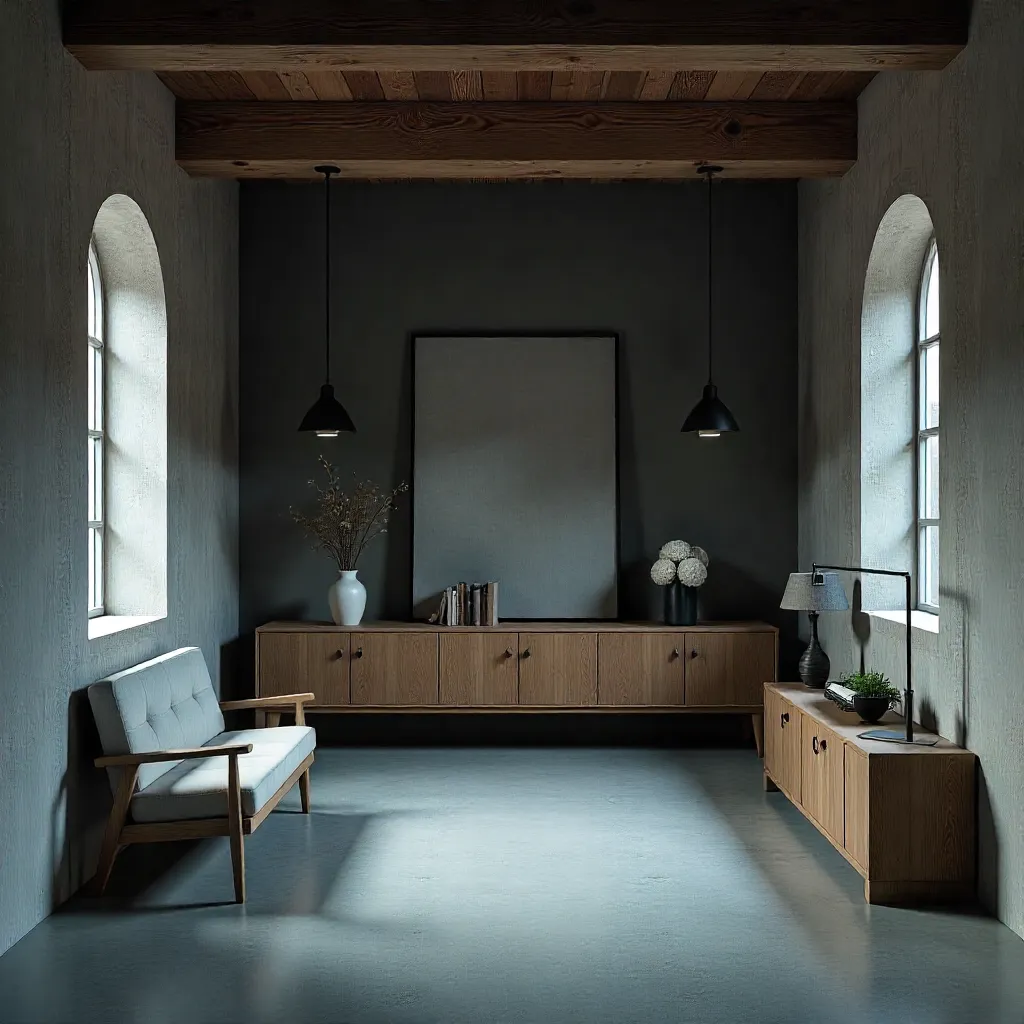
Matte glass provides a sophisticated, translucent barrier that allows the texture of reclaimed wood to show through while adding a layer of modern refinement. This combination works particularly well in partitions, shelving, and display cases.
Ratio: 60% Wood / 40% Glass | Effect: Layered transparency | Style: Contemporary minimal
Application Principles
Matte glass softens the visual impact while maintaining transparency. Use it to create visual separation without blocking light or views. The matte finish reduces glare and creates a more subtle, sophisticated appearance than clear glass.
Wood & Poured Concrete
The Raw Combination
Poured concrete and reclaimed wood share a raw, unrefined aesthetic that creates harmony through contrast. Both materials celebrate their natural state, with concrete providing cool, smooth surfaces against wood's warm, textured grain.
Ratio: 50% Wood / 50% Concrete | Effect: Raw sophistication | Style: Industrial modern
Application Principles
Concrete floors or walls provide a neutral foundation that allows reclaimed wood to take center stage. Use wood for furniture, ceiling beams, or accent walls to create warmth against concrete's cool gray tones.
- Concrete as foundation, wood as feature
- Balance smooth and textured surfaces
- Use wood to soften concrete's hardness
- Create visual rhythm through repetition
Visual Pairing Guides
Texture Contrast
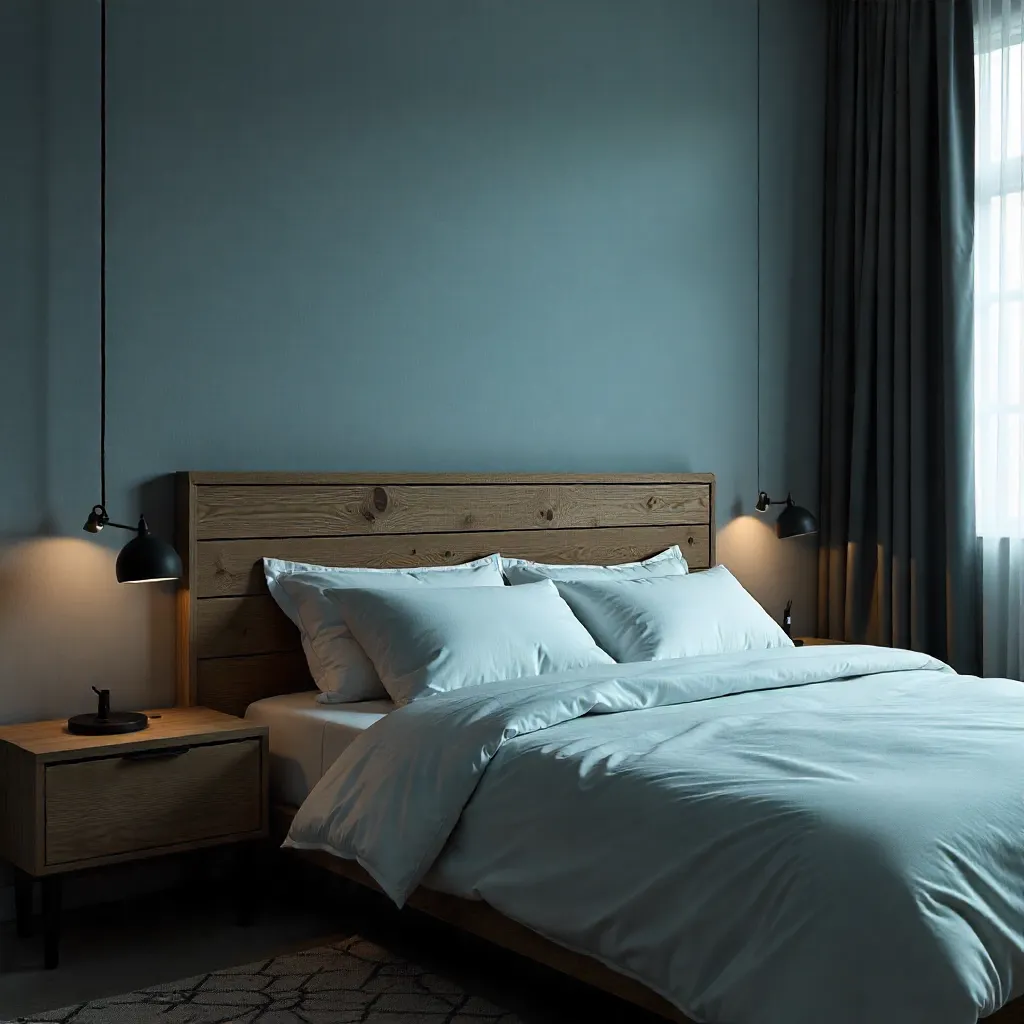
Pair rough, weathered wood surfaces with smooth, polished modern materials. The contrast in texture creates visual interest and highlights the unique character of each material.
Color Balance
Balance warm wood tones with cool material colors. Use neutral modern materials as a backdrop that allows the wood's natural colors to shine while maintaining visual harmony.
Scale & Proportion
Consider the scale of each material element. Large wooden beams can anchor a space, while smaller modern accents provide detail and refinement without overwhelming.
Practical Implementation
Start with One Element
Begin by introducing reclaimed wood as a single focal element, such as an accent wall or ceiling beam. Build around it with modern materials to create balance.
Maintain Visual Balance
Avoid letting either material dominate completely. Aim for a balanced distribution that creates visual interest without overwhelming the space.
Consider Lighting
Modern lighting fixtures can bridge the gap between old and new. Use contemporary light fixtures to illuminate reclaimed wood, creating a cohesive design language.
Create Your Contrast
Ready to explore how reclaimed wood can transform your contemporary space? Get in touch to discuss your project.