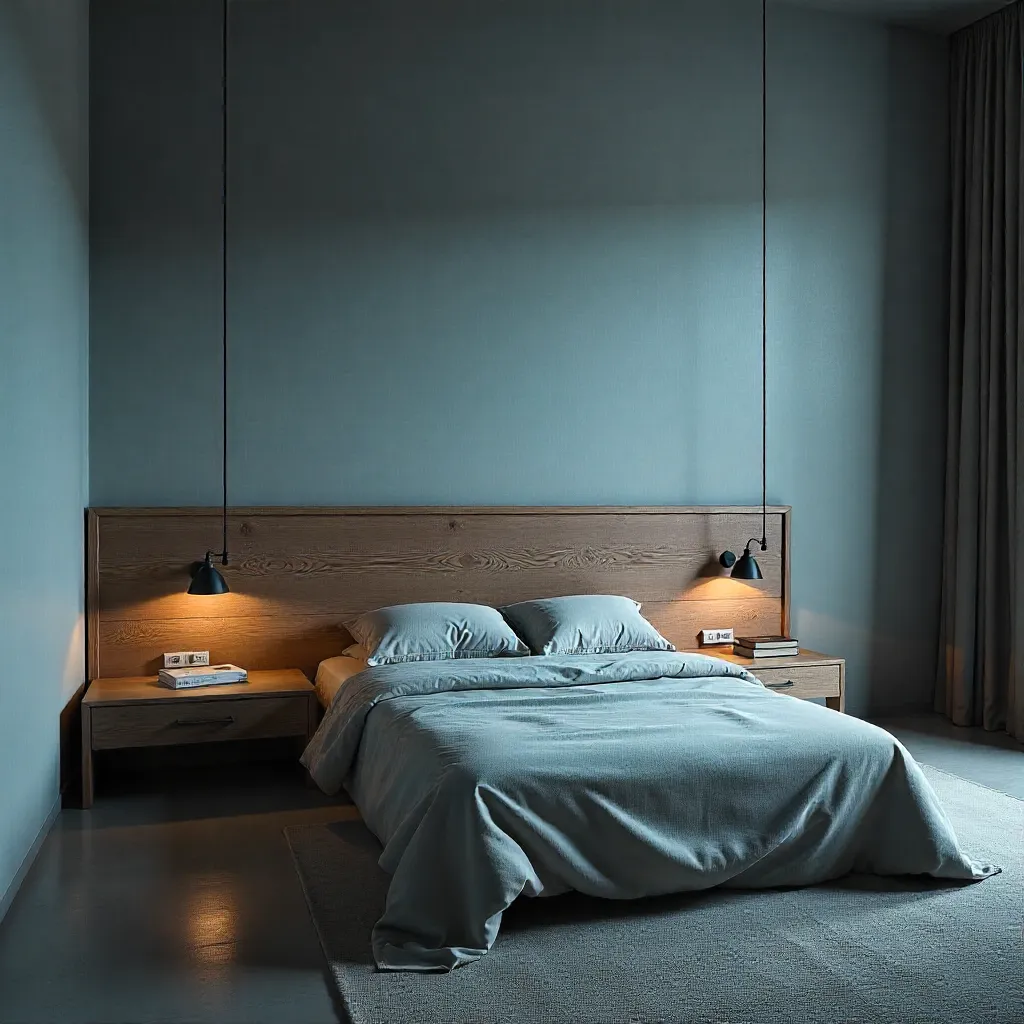
The Patina Portfolio
A visual taxonomy of imperfections that add soul to your space
Imperfections as Design Assets
In reclaimed wood, what some might call "defects" are actually the marks of character and history. Each imperfection tells a story and contributes to the unique aesthetic that makes reclaimed timber so desirable. Explore the categories below to understand how these natural and historical marks become design assets.
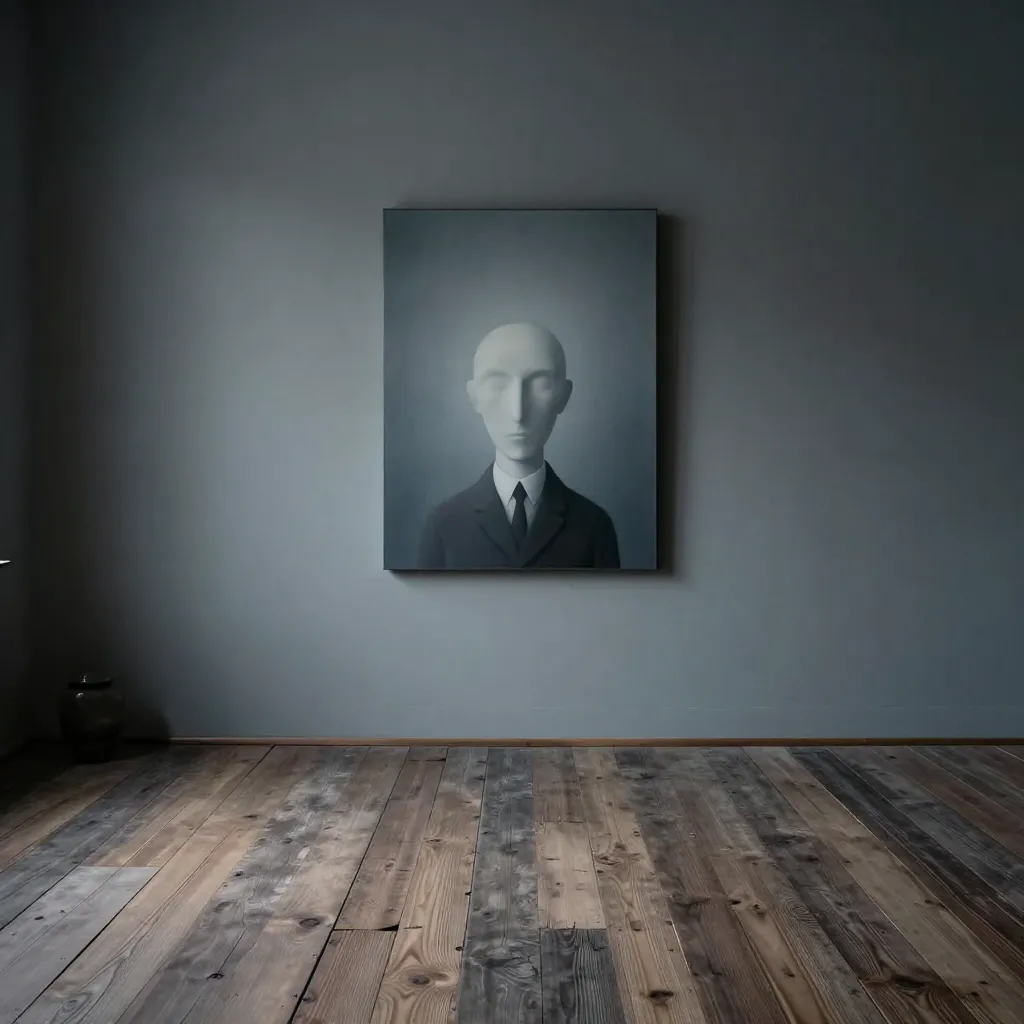
Saw-Marks
The visible traces left by hand saws and early milling equipment create distinctive patterns across the wood surface. These marks, often parallel lines or subtle grooves, add texture and visual interest that modern precision-cut lumber cannot replicate.
Pattern Type: Linear grooves | Depth: 0.5-2mm | Historical Period: Pre-1950s
Design Application
Saw-marks work beautifully as accent features. When used on walls or furniture, they create subtle visual rhythm that guides the eye. The linear nature of these marks pairs well with modern geometric elements, creating an interesting contrast between old-world craftsmanship and contemporary design.
- Ideal for accent walls and feature panels
- Creates visual texture without overwhelming
- Complements both rustic and modern aesthetics
Oxidized Bolt Holes
Where metal fasteners once secured beams and planks, they left behind circular marks that have oxidized over time. These dark, rust-stained circles create focal points that draw attention and add industrial character to the wood.
Diameter: 8-16mm | Oxidation Level: Medium to High | Distribution: Variable
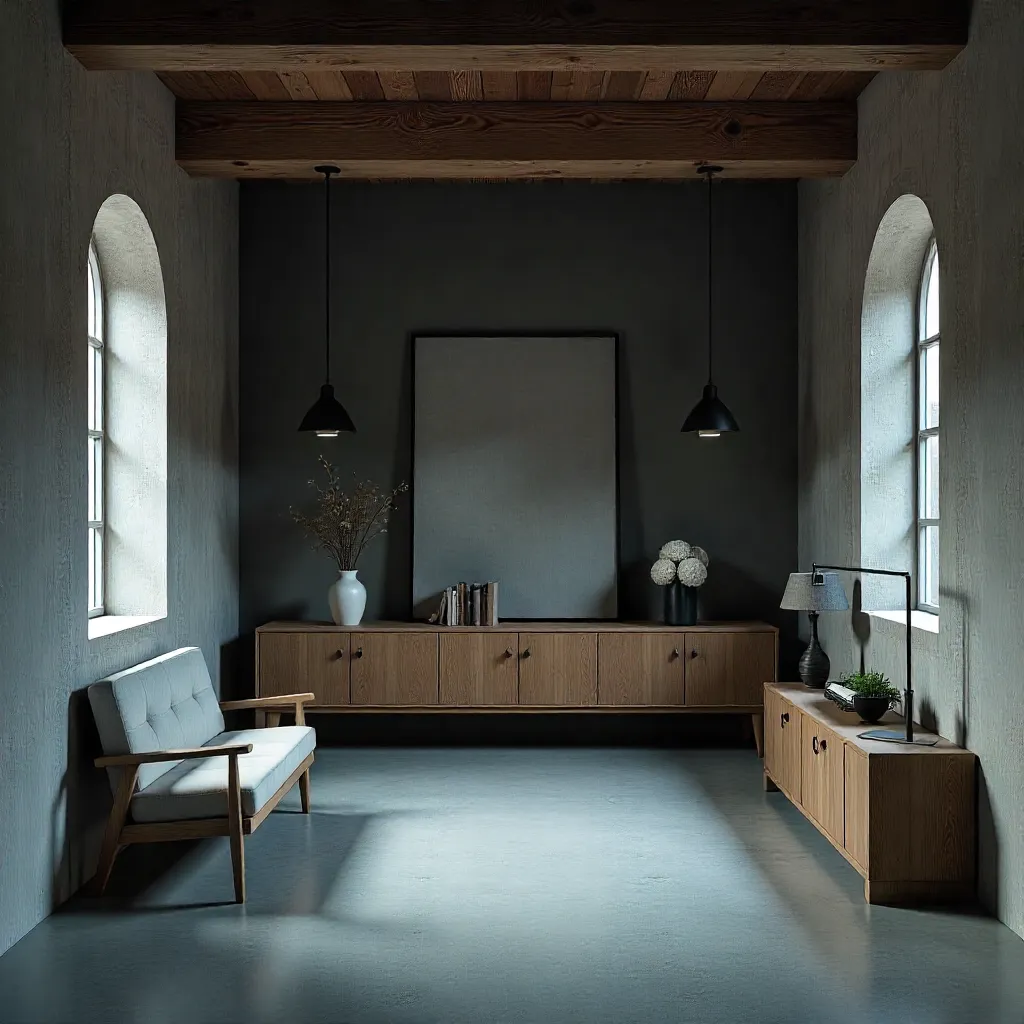
Design Application
Oxidized bolt holes serve as natural decorative elements. They create visual interest and tell the story of the wood's previous use. When strategically placed, these marks can become design focal points, especially when paired with modern hardware or left as-is for an authentic look.
Sun-Bleached Silvering
The Silvered Surface
Years of exposure to sunlight and weather create a distinctive silver-gray patina on the wood surface. This natural bleaching process removes the original color pigments, leaving behind a weathered, sophisticated appearance that cannot be artificially replicated.
Color Shift: Brown to Silver-Gray | Exposure Time: 10+ years | UV Resistance: High
Design Application
Sun-bleached silvering provides a neutral, sophisticated backdrop that works with virtually any color scheme. The silvered wood creates a calming, serene atmosphere and pairs beautifully with both warm and cool color palettes. It's particularly effective in minimalist and Scandinavian-inspired designs.
- Creates neutral, versatile foundation
- Adds sophistication without color
- Works with any design style
Other Character Marks
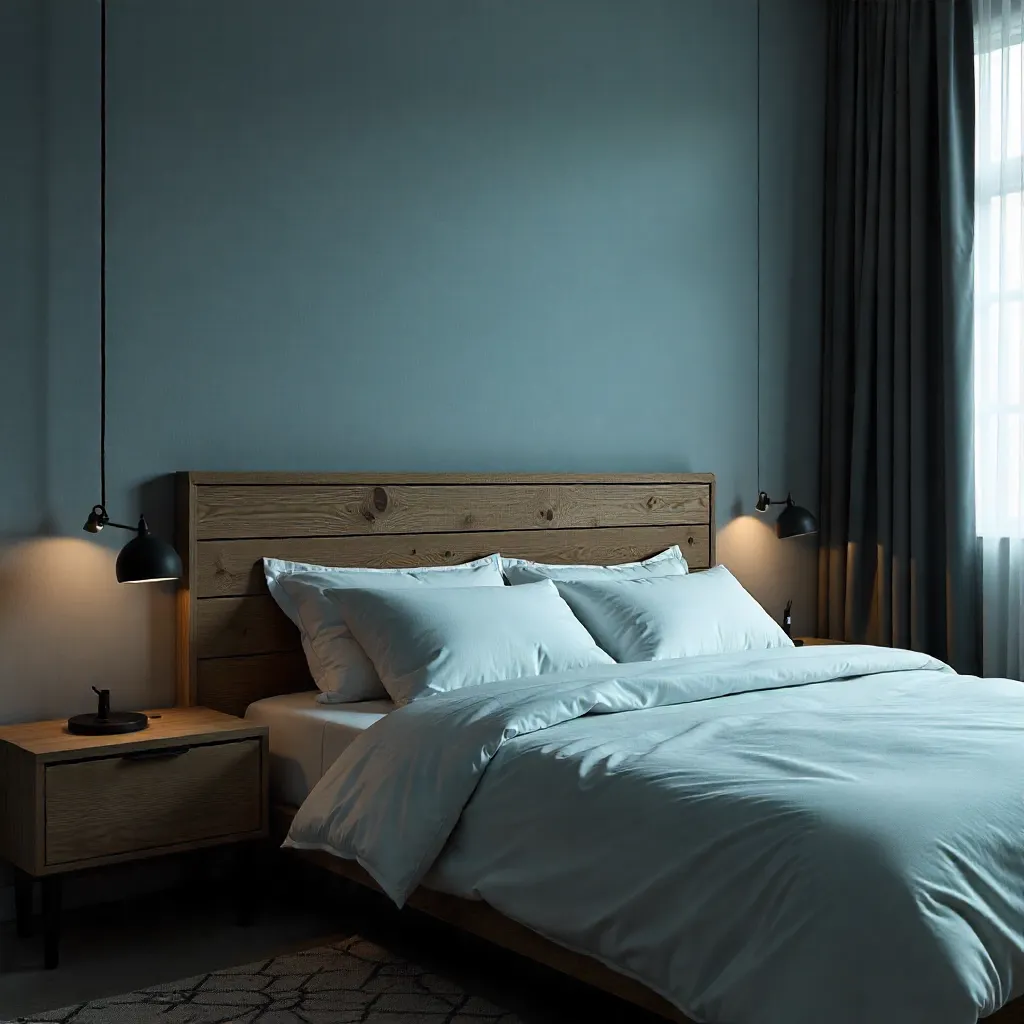
Natural Knots & Grain
Knots, burls, and unique grain patterns are nature's artwork. These organic features create visual interest and add depth to any surface. Each knot tells the story of a branch that once grew from the tree.
Weathering Patterns
Natural weathering creates subtle variations in texture and color. These patterns, formed by years of exposure to elements, add authenticity and character that new wood simply cannot provide.
Age-Related Checking
Small cracks and checks that develop as wood ages and dries add texture and authenticity. These natural features are part of the wood's character and should be embraced as design elements rather than flaws.
Embrace the Character
Each imperfection is a mark of authenticity. Discover how these character features can enhance your interior design.